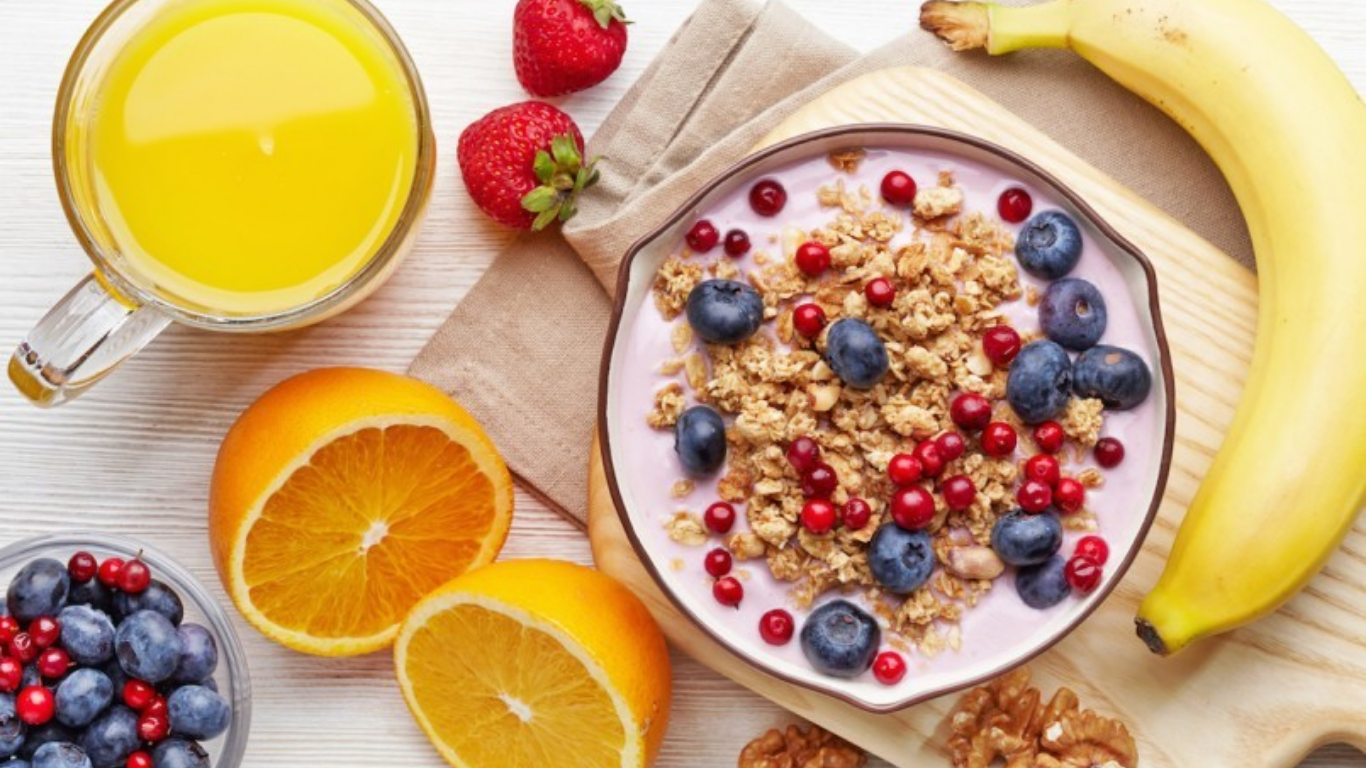
Meal Prep Like a Pro

Meal Prep Like a Pro

In a world where time feels increasingly limited, preparing healthy meals every day can be overwhelming. Busy work schedules, family responsibilities, and social commitments often lead people to rely on fast food or processed meals. This is where meal preparation, commonly known as meal prep, becomes a powerful solution. Learning how to meal prep like a pro helps you take control of your nutrition, reduce stress, and maintain consistency in your eating habits.Meal prep is not about eating the same boring food every day. Instead, it is about smart planning, efficient cooking, and making intentional choices that support a healthier lifestyle. Whether your goal is weight management, saving money, or simply eating better, meal prepping can transform your daily routine.

Understanding Meal Prep

Meal prep is the practice of planning, preparing, and storing meals or ingredients ahead of time. This preparation can cover a few days or an entire week. Meals are stored in containers and are ready to eat or reheat when needed.

There are different approaches to meal prep:

  • Preparing full meals in advance

  • Cooking ingredients separately to mix and match

  • Batch cooking and freezing portions for later use

The flexibility of meal prep makes it suitable for people with different schedules and dietary needs.

Why You Should Meal Prep Like a Pro

Meal prepping offers numerous benefits that go beyond convenience.

Saves Valuable Time:

Cooking every day requires planning, shopping, cooking, and cleaning. When meals are prepared in advance, you only need to reheat and enjoy them, saving hours during the week.

Helps You Eat Healthier:

When healthy meals are already prepared, you are less likely to choose unhealthy snacks or fast food. Meal prep supports balanced nutrition and portion control.

Reduces Food Expenses:

Buying groceries with a plan helps avoid impulse purchases. Cooking at home in bulk is significantly cheaper than ordering takeout regularly.

Minimizes Stress:

Knowing what you will eat each day removes the daily decision-making burden. This mental relief makes meal prep a powerful stress-reduction tool.

Step One Set Clear Meal Prep Goals

Before you start meal prepping, it is important to define your goals. Your goals will guide your meal choices and portion sizes.

Common meal prep goals include:

  • Weight loss or weight maintenance

  • Muscle building or fitness support

  • Improving overall health

  • Saving time and money

  • Managing dietary restrictions

Clear goals help you create a sustainable and realistic meal prep routine.

Step Two Plan Your Meals in Advance

Planning is the backbone of professional-level meal prep.

Create a Weekly Meal Plan:

Decide how many meals you need for the week. This may include breakfast, lunch, dinner, and snacks. Beginners should start small to avoid burnout.

Choose Balanced Meals:

A well-prepped meal usually contains:

  • Protein for muscle and energy

  • Carbohydrates for fuel

  • Healthy fats for satiety

  • Vegetables for vitamins and minerals

Balanced meals keep you full and energized throughout the day.

Step Three Build an Efficient Grocery List

Once your meal plan is ready, create a grocery list based on the recipes you will prepare. This helps you shop efficiently and avoid unnecessary purchases.

Smart Shopping Tips:

  • Stick to your list

  • Buy whole foods whenever possible

  • Choose frozen vegetables for convenience

  • Shop seasonal produce for better quality and price

An organized grocery list saves time and money.

Step Four Invest in the Right Tools

Professional meal prepping becomes easier with the right tools.

Essential Meal Prep Tools:

  • Sharp knives

  • Cutting boards

  • Measuring cups and spoons

  • Quality cookware

  • Food storage containers

Glass containers are especially popular because they are durable, microwave-safe, and environmentally friendly.

Step Five Cook Efficiently and Strategically

Cooking efficiently is what separates beginners from pros.

Batch Cooking:

Batch cooking involves preparing large quantities of food at once. Staples such as rice, grilled chicken, roasted vegetables, and beans can be used in multiple meals.

Use Multiple Cooking Methods:

Cook different items at the same time using the oven, stove, and slow cooker. This reduces overall cooking time and increases productivity.

Step Six Portion Control and Storage

Step Six Portion Control and Storage

Once your meals are cooked, divide them into individual portions.

Storage Best Practices:

  • Store meals in airtight containers

  • Refrigerate meals for short-term use

  • Freeze meals for long-term storage

  • Label containers with preparation dates

Proper storage keeps meals fresh, safe, and ready to eat.

Meal Prep for Different Lifestyles

Meal prep can be customized for various needs.

Meal Prep for Busy Professionals:

Quick breakfasts, grab-and-go lunches, and simple dinners are ideal for people with demanding schedules.

Meal Prep for Families:

Family-style meals allow flexibility and reduce cooking time. Preparing components separately lets family members customize their plates.

Meal Prep for Fitness Enthusiasts:

High-protein meals, precise portions, and nutrient-dense snacks support workout performance and recovery.

Common Meal Prep Mistakes to Avoid

Even experienced meal preppers can make mistakes.

Common mistakes include:

  • Prepping too many meals at once

  • Choosing meals that don’t reheat well

  • Ignoring food safety guidelines

  • Not adding variety

  • Overcomplicating recipes

Avoiding these mistakes helps maintain consistency and enjoyment.

How to Keep Meal Prep Interesting

One of the biggest challenges of meal prep is boredom.

Tips to Add Variety:

  • Rotate recipes weekly

  • Try different cuisines

  • Use a variety of spices and sauces

  • Prep ingredients instead of full meals

  • Leave room for one fresh meal during the week

Variety keeps meal prep enjoyable and sustainable.

Food Safety and Hygiene Tips

Food safety is essential when preparing meals in advance.

  • Wash hands and surfaces thoroughly

  • Cook food to safe temperatures

  • Cool food before storing

  • Avoid keeping food at room temperature for too long

  • Discard food that shows signs of spoilage

Safe practices protect your health and prevent foodborne illnesses.

The Long Term Benefits of Meal Prepping

When done consistently, meal prep leads to long term improvements in lifestyle.

Benefits include:

  • Better eating habits

  • Improved energy levels

  • Reduced reliance on fast food

  • Greater control over nutrition

  • More free time during the week

These benefits grow stronger over time.

Final Thoughts Meal Prep Like a Pro

Meal prepping is more than just preparing food in advance it is a lifestyle strategy that promotes better health, saves time, and reduces stress. You don’t need advanced cooking skills to get started. With proper planning, simple recipes, and consistency, anyone can meal prep like a pro.

Start small, stay organized, and focus on progress rather than perfection. Over time, meal prep will become second nature, helping you live a more balanced, healthy, and productive life.

Conclusion:

Meal prepping like a pro is not about perfection it’s about preparation, consistency, and smart choices. By planning your meals ahead of time, cooking efficiently, and storing food properly, you take control of your nutrition and your schedule. Meal prep helps you eat healthier, save money, reduce stress, and avoid last-minute unhealthy food decisions.With a little practice, meal prepping becomes a simple habit that fits easily into your lifestyle. Whether your goal is better health, more free time, or improved productivity, mastering meal prep empowers you to stay organized and focused throughout the week. Start small, stay flexible, and enjoy the long-term benefits of eating well with ease.more info…


How to Beat Burnout

How to Beat Burnout

Burnout has become one of the most common challenges of modern life. Long working hours, constant pressure, digital overload, and the expectation to always be available have pushed many people to the edge of exhaustion. Burnout is not simply feeling tired after a busy week it is a state of physical, emotional, and mental exhaustion that builds up over time.Learning how to beat burnout is essential for protecting your health, productivity, and overall quality of life. The good news is that burnout is not permanent. With awareness, intention, and consistent changes, it is possible to recover your energy and reconnect with a sense of purpose.

What Is Burnout

Burnout is a condition caused by prolonged stress and overwork, especially when there is little rest or emotional support. It affects not only your performance but also your relationships, health, and mental well-being.

Common Characteristics of Burnout:

  • Chronic fatigue

  • Loss of motivation

  • Emotional numbness

  • Reduced productivity

  • Feeling overwhelmed or hopeless

Burnout does not happen overnight it develops gradually when stress remains unaddressed.

Signs You May Be Experiencing Burnout

Recognizing burnout early can prevent long-term damage. The symptoms often appear in physical, emotional, and behavioral forms.

Physical Signs:

  • Constant tiredness

  • Headaches or muscle pain

  • Sleep problems

  • Weakened immunity

Emotional Signs:

  • Irritability and frustration

  • Anxiety or sadness

  • Feeling detached or cynical

Behavioral Signs:

  • Procrastination

  • Withdrawal from social activities

  • Increased reliance on caffeine or junk food

Ignoring these signs can deepen burnout over time.

Why Burnout Happens

Burnout is not a personal failure it is often the result of lifestyle imbalance and unrealistic expectations.

Common Causes of Burnout:

  • Excessive workload

  • Lack of control or recognition

  • Poor work-life boundaries

  • Perfectionism

  • Chronic stress

Understanding the root causes of burnout helps you address it more effectively.

The Impact of Burnout on Health

Burnout affects both mental and physical health. When stress remains constant, the body stays in a state of alert, which leads to long-term damage.

Health Effects of Burnout:

  • Increased risk of anxiety and depression

  • Digestive issues

  • Heart-related problems

  • Hormonal imbalance

  • Lower immune function

Beating burnout is not just about productivity it’s about protecting your health.

Acknowledge and Accept Burnout

The first step in beating burnout is admitting that something is wrong. Many people push themselves harder instead of slowing down, which worsens exhaustion.

Why Acceptance Matters:

  • Reduces self-blame

  • Creates space for healing

  • Encourages realistic expectations

Acknowledging burnout is an act of self-awareness, not weakness.

Redefine Rest

Rest is not optional it is essential for recovery. True rest goes beyond sleep and includes mental and emotional breaks.

Types of Rest:

  • Physical rest: quality sleep and relaxation

  • Mental rest: reducing decision fatigue

  • Emotional rest: expressing feelings freely

  • Digital rest: limiting screen time

Intentional rest restores energy and resilience.

Set Healthy Boundaries

One of the biggest contributors to burnout is poor boundaries. Saying “yes” too often leads to exhaustion.

How to Create Better Boundaries:

  • Define work hours clearly

  • Limit after-hours communication

  • Learn to say no without guilt

  • Protect personal time

Boundaries allow you to give your best without burning out.

Reconnect with Purpose

Burnout often disconnects people from the meaning behind their work and daily efforts.

Ways to Reignite Purpose:

  • Reflect on personal values

  • Focus on meaningful goals

  • Celebrate small achievements

  • Adjust expectations

Purpose provides motivation and emotional strength during recovery.

Manage Stress Proactively

Manage Stress Proactively

Stress cannot always be eliminated, but it can be managed effectively.

Stress Reduction Techniques:

  • Deep breathing exercises

  • Meditation or mindfulness

  • Yoga or gentle movement

  • Spending time in nature

Even a few minutes of stress management daily can reduce burnout symptoms.

Improve Daily Habits

Lifestyle habits play a crucial role in burnout recovery.

Healthy Habits That Fight Burnout:

  • Balanced, nourishing meals

  • Regular physical activity

  • Staying hydrated

  • Limiting caffeine and sugar

Healthy habits provide the foundation for sustainable energy.

Prioritize Sleep

Sleep is one of the most powerful tools for burnout recovery. Poor sleep worsens stress and emotional instability.

Sleep Tips for Burnout Recovery:

  • Maintain a consistent sleep schedule

  • Create a calming bedtime routine

  • Avoid screens before bed

  • Keep your sleep environment comfortable

Quality sleep helps reset the nervous system and restore balance.

Break the Cycle of Perfectionism

Perfectionism fuels burnout by creating unrealistic expectations and constant pressure.

How to Let Go of Perfectionism:

  • Focus on progress, not perfection

  • Set realistic goals

  • Accept mistakes as learning opportunities

Self-compassion is essential for long-term well-being.

Rebuild Energy Slowly

Burnout recovery takes time. Trying to return to full speed too quickly can cause relapse.

Gentle Ways to Restore Energy:

  • Take short breaks during the day

  • Simplify tasks

  • Focus on one priority at a time

Small, consistent steps lead to sustainable recovery.

Seek Support When Needed

You don’t have to face burnout alone. Support from others can accelerate healing.

Sources of Support

  • Friends and family

  • Professional counselors or therapists

  • Support groups or mentors

Seeking help is a sign of strength, not failure.

Preventing Burnout in the Future

Once you recover, prevention becomes key.

Burnout Prevention Strategies:

  • Regular self-check-ins

  • Maintaining work-life balance

  • Ongoing stress management

  • Aligning life with personal values

Burnout prevention is about building a life that supports your well-being.

Burnout Is a Wake Up Call Not the End

Burnout often forces people to slow down and reevaluate their lives. While painful, it can lead to positive change and personal growth.Many people emerge from burnout with clearer priorities, healthier boundaries, and deeper self-awareness.

Conclusion:

Burnout does not define you, and it does not mean you are weak. It means you have been carrying too much for too long without enough support or rest. Learning how to beat burnout requires patience, compassion, and intentional change.By prioritizing rest, setting boundaries, improving daily habits, and reconnecting with purpose, you can restore your energy and well-being. Healing from burnout is not about doing more it’s about doing what truly matters.Your health is your most valuable asset. Protect it, honor it, and remember: recovery is possible.more info…

Yoga for Busy People

Yoga for Busy People

In today s fast moving world being busy has become the norm. Long working hours family responsibilities constant screen time, and endless to-do lists often leave little room for self-care. Many people believe that yoga requires long sessions, flexibility, and plenty of free time. The truth is, yoga is one of the most adaptable wellness practices available and it is perfectly suited for busy people.Yoga for busy people is not about spending hours on a mat. It is about integrating mindful movement, breathing, and relaxation into your daily routine in simple, practical ways. Even a few minutes of yoga each day can improve physical health, reduce stress, and restore balance.

Why Yoga Matters in a Busy Lifestyle

A busy lifestyle often leads to chronic stress, poor posture, fatigue, and mental overload. Yoga directly addresses these challenges by calming the nervous system and strengthening the body.

Benefits of Yoga for Busy People:

  • Reduces stress and anxiety

  • Improves posture and flexibility

  • Boosts energy and focus

  • Relieves muscle tension

  • Supports mental clarity

Yoga is not just exercise it is a holistic practice that benefits both body and mind.

Yoga Is Not Just Physical Exercise

Many people think yoga is only about stretching or difficult poses. In reality, yoga combines movement, breathing, and mindfulness, making it ideal for people with limited time.

The Three Elements of Yoga:

  • Asanas (postures): Improve strength and flexibility

  • Pranayama (breathing): Calms the mind and improves oxygen flow

  • Mindfulness: Enhances awareness and emotional balance

Even practicing one of these elements can make a meaningful difference.

How Yoga Fits into a Busy Schedule

Yoga does not require a gym, special equipment, or long sessions. It can be practiced at home, at work, or even during short breaks.

Flexible Yoga Options:

  • 5 10 minute morning routines

  • Desk yoga during work hours

  • Evening stretches for relaxation

  • Short breathing exercises anytime

Consistency matters more than duration when it comes to yoga.

Morning Yoga for a Productive Day

Starting the day with a few minutes of yoga helps set a positive tone. Morning yoga wakes up the body, increases circulation, and sharpens focus.

Simple Morning Yoga Routine:

  • Gentle neck and shoulder rolls

  • Cat Cow stretch

  • Forward fold

  • Mountain pose with deep breathing

Just 5 10 minutes in the morning can boost energy and improve mood for the entire day.

Desk Yoga for Office Workers

Sitting for long hours can cause back pain, stiff shoulders, and poor posture. Desk yoga is a practical solution for busy professionals.

Easy Desk Yoga Poses:

  • Seated spinal twist

  • Shoulder shrugs and rolls

  • Wrist and finger stretches

  • Seated forward bend

These movements improve circulation and reduce muscle tension without leaving your desk.

Yoga for Stress Relief in Short Bursts

Stress is one of the biggest challenges of a busy life. Yoga offers quick tools to calm the mind and body.

Breathing Exercises for Instant Calm:

  • Deep belly breathing

  • Alternate nostril breathing

  • Slow exhale breathing

Even two minutes of mindful breathing can lower stress and improve emotional balance.

Evening Yoga for Better Sleep

Busy schedules often disrupt sleep patterns. Yoga helps relax the nervous system and prepare the body for rest.

Relaxing Evening Yoga Poses:

  • Child’s pose

  • Legs up the wall

  • Supine spinal twist

  • Corpse pose with deep breathing

Practicing gentle yoga before bed can improve sleep quality and reduce nighttime anxiety.

Yoga for Physical Health and Energy

Yoga for Physical Health and Energy

Yoga supports overall fitness by strengthening muscles, improving flexibility, and enhancing circulation.

Physical Benefits of Yoga:

  • Reduces back and joint pain

  • Improves balance and posture

  • Enhances mobility

  • Supports heart health

Yoga movements are low-impact, making them suitable for people of all fitness levels.

Yoga for Mental Focus and Productivity

A busy mind is often overwhelmed and distracted. Yoga helps quiet mental noise and improve concentration.

How Yoga Boosts Focus:

  • Increases oxygen flow to the brain

  • Reduces mental fatigue

  • Enhances mindfulness

  • Improves decision-making

Practicing yoga regularly can make you more efficient and focused, even on hectic days.

Yoga for Emotional Balance

Emotional stress builds up quickly in a busy life. Yoga creates space to release tension and reconnect with yourself.

Emotional Benefits of Yoga:

  • Improves mood

  • Reduces anxiety

  • Encourages self-awareness

  • Builds emotional resilience

Yoga teaches you to respond calmly rather than react impulsively to stress.

Common Myths About Yoga for Busy People

You Need an Hour to Practice Yoga:

Truth: Even 5 minutes can be effective.

You Must Be Flexible:

Truth: Yoga helps you become flexible over time.

Yoga Is Only for Young or Fit People:

Truth: Yoga is adaptable for all ages and fitness levels.

Tips to Stay Consistent with Yoga

Consistency is often the biggest challenge for busy people. These tips can help.

How to Make Yoga a Habit:

  • Schedule it like an appointment

  • Start small and realistic

  • Choose simple routines

  • Focus on how it makes you feel

Yoga should feel supportive, not stressful.

Yoga Without a Mat or Studio

One of the greatest advantages of yoga is its flexibility. You don’t need a studio, instructor, or equipment.

Everyday Yoga Opportunities:

  • Stretching while waiting

  • Deep breathing during breaks

  • Mindful posture while sitting

  • Gentle stretches before bed

Yoga can become part of your daily life, not an extra task.

Yoga as a Long Term Lifestyle Practice

Yoga is not about perfection or performance. It is about connection connecting with your body, breath, and mind. Over time, even short daily practices can create lasting changes in physical health and mental well being.

Conclusion:

Being busy does not mean sacrificing your health. Yoga for busy people proves that even a few minutes a day can improve strength, flexibility, focus, and emotional balance. Yoga meets you where you are no matter how full your schedule is.You don’t need to do more; you need to do what matters.more info…

Gut Health 101

Gut Health 101

Gut health has become one of the most talked about topics in modern wellness and for good reason. The gut plays a central role in digestion, immunity, mental health, and overall well-being. When your gut is healthy, your body functions smoothly. When it’s not, problems can appear in unexpected ways, from fatigue and bloating to anxiety and weakened immunity.Gut Health 101 is about understanding how your digestive system works, why it matters, and what you can do daily to keep it healthy. You don’t need complicated supplements or extreme diets simple lifestyle choices can make a powerful difference.

What Is Gut Health

Gut health refers to the balance and function of microorganisms living in your digestive tract, collectively known as the gut microbiome. Your gut is home to trillions of bacteria, fungi, and other microbes. Some are beneficial, while others can be harmful if they grow out of control.A healthy gut is one where good bacteria outnumber harmful ones, allowing digestion, nutrient absorption, and immune defense to work efficiently.

Understanding the Gut Microbiome

The gut microbiome is often called a “second brain” because of how closely it communicates with the brain and other systems in the body.

Key Functions of the Gut Microbiome:

  • Breaks down food and absorbs nutrients

  • Produces essential vitamins like B12 and K

  • Strengthens the immune system

  • Protects against harmful pathogens

  • Influences mood and mental health

Each person’s microbiome is unique, shaped by genetics, diet, lifestyle, and environment.

Why Gut Health Matters

Gut health affects far more than digestion. When the gut is balanced, the entire body benefits.

Physical Health Benefits:

  • Better digestion and regular bowel movements

  • Reduced bloating and gas

  • Improved nutrient absorption

  • Stronger immunity

Mental and Emotional Benefits:

  • Improved mood and reduced anxiety

  • Better stress response

  • Increased mental clarity

An unhealthy gut can contribute to inflammation, autoimmune conditions, allergies, and even chronic diseases.

Signs of an Unhealthy Gut

Your body often gives warning signs when your gut needs attention.

Common Symptoms of Poor Gut Health:

  • Bloating and abdominal discomfort

  • Constipation or diarrhea

  • Frequent heartburn

  • Food sensitivities

  • Fatigue

  • Skin problems such as acne or eczema

  • Frequent infections

Ignoring these symptoms can allow gut issues to worsen over time.

The Gut Brain Connection

One of the most fascinating aspects of gut health is its connection to the brain, known as the gut-brain axis. The gut and brain communicate through nerves, hormones, and immune pathways.

How the Gut Affects Mental Health:

  • About 90% of serotonin (the “feel-good” hormone) is produced in the gut

  • Imbalanced gut bacteria can increase stress and anxiety

  • A healthy gut supports emotional stability

This explains why digestive problems are often linked to mood disorders and stress-related conditions.

Foods That Support Gut Health

Diet is the most powerful tool for improving gut health. What you eat directly feeds the bacteria in your gut.

Best Foods for a Healthy Gut:

Fiber-Rich Foods

Fiber feeds beneficial bacteria and promotes regular digestion.

  • Fruits and vegetables

  • Whole grains

  • Beans and lentils

Probiotic Foods:

Probiotics introduce good bacteria into the gut.

  • Yogurt with live cultures

  • Kefir

  • Sauerkraut

  • Kimchi

Prebiotic Foods:

Prebiotics act as food for probiotics.

  • Garlic

  • Onions

  • Bananas

  • Oats

Foods That Harm Gut Health

Some foods can disrupt the balance of gut bacteria and cause inflammation.

Foods to Limit:

  • Highly processed foods

  • Excess sugar

  • Artificial sweeteners

  • Fried foods

  • Excessive alcohol

Reducing these foods allows beneficial bacteria to thrive.

Gut Health and Immunity

Gut Health and Immunity

About 70% of the immune system resides in the gut, making gut health essential for disease prevention.

How the Gut Supports Immunity:

  • Acts as a barrier against harmful pathogens

  • Trains immune cells to respond properly

  • Reduces inflammation

A balanced gut microbiome helps the body fight infections more effectively.

The Role of Lifestyle in Gut Health

Gut health is influenced not only by diet but also by daily habits.

Stress Management:

Chronic stress disrupts gut bacteria and slows digestion. Practices like meditation, deep breathing, and yoga help restore balance.

Physical Activity:

Regular exercise promotes healthy digestion and increases beneficial gut bacteria.

Sleep Quality:

Poor sleep negatively affects the gut microbiome. Aim for consistent, quality sleep to support digestive health.

Gut Health and Weight Management

The gut microbiome influences how the body stores fat and regulates appetite.

How Gut Bacteria Affect Weight:

  • Some bacteria extract more calories from food

  • Gut bacteria influence hunger hormones

  • A healthy gut reduces inflammation linked to obesity

Supporting gut health can make weight management easier and more sustainable.

Common Myths About Gut Health

All Bacteria Are Bad:

Truth: Many bacteria are essential for health.

Supplements Alone Fix Gut Problems:

Truth: Diet and lifestyle matter more than supplements.

Gut Health Only Affects Digestion:

Truth: It affects immunity, mental health, skin, and energy.

Simple Daily Habits for Better Gut Health

Improving gut health doesn’t require perfection small steps lead to big results.

Easy Gut-Friendly Habits:

  • Eat a variety of plant-based foods

  • Drink plenty of water

  • Chew food slowly

  • Reduce stress

  • Limit processed foods

Consistency is key when it comes to gut health.

When to Seek Professional Help

If digestive issues persist despite lifestyle changes, it may be time to consult a healthcare professional. Conditions such as IBS, food intolerances, or gut infections may require specialized treatment.

Gut Health Is a Long Term Investment

Gut health is not about quick fixes. It’s about building habits that support your body over time. The gut adapts slowly, so patience and consistency are essential.As your gut health improves, you may notice increased energy, clearer skin, improved mood, and better overall health.

Conclusion:

Gut Health 101 teaches us that the gut is the foundation of well-being. From digestion and immunity to mental clarity and emotional balance, a healthy gut supports nearly every function in the body.By eating nourishing foods, managing stress, staying active, and prioritizing sleep, you can create a gut environment where beneficial bacteria thrive. These small daily choices add up to long-term health.Take care of your gut and your gut will take care of you.more info…

Why Sleep Is Non Negotiable

Why Sleep Is Non Negotiable

In a world that celebrates hustle, productivity, and long working hours, sleep is often treated as optional. Many people proudly say they can function on four or five hours of sleep, believing that sacrificing rest is the price of success. In reality, this mindset comes at a high cost. Sleep is not a luxury, a reward, or wasted time it is a biological necessity. Just like food, water, and air, sleep is non-negotiable for survival and optimal health.When we consistently fail to get enough sleep, our bodies and minds suffer. From weakened immunity to poor concentration and emotional imbalance, sleep deprivation silently affects nearly every aspect of our lives. Understanding why sleep is essential can help us protect our health, improve performance, and live better, more balanced lives.

What Is Sleep and Why Do We Need It

Sleep is a natural, recurring state in which the body and brain enter a period of rest and repair. During sleep, vital processes occur that cannot happen while we are awake. These include tissue repair, hormone regulation, memory consolidation, and immune system strengthening.Sleep is not a passive activity. While you sleep, your brain remains highly active, working to process information, store memories, and restore mental clarity. Without adequate sleep, these processes are disrupted, leading to both short-term and long-term health problems.

The Science Behind Sleep

Sleep occurs in cycles, typically lasting about 90 minutes each. These cycles include non-REM sleep and REM (rapid eye movement) sleep, both of which play unique and critical roles.

Non REM Sleep:

  • Supports physical repair and growth

  • Strengthens the immune system

  • Helps restore energy

REM Sleep:

  • Enhances memory and learning

  • Supports emotional regulation

  • Boosts creativity and problem-solving

Skipping sleep or cutting it short disrupts these cycles, preventing the body from fully recovering.

Sleep and Physical Health

Sleep directly affects nearly every system in the body. When sleep is neglected, physical health declines over time.

Strengthening the Immune System:

During sleep, the immune system produces proteins called cytokines that help fight infection and inflammation. Lack of sleep reduces the production of these protective substances, making you more vulnerable to illness.

Heart Health and Blood Pressure:

Chronic sleep deprivation increases the risk of high blood pressure, heart disease, and stroke. Sleep allows the heart and blood vessels to rest and recover, reducing strain on the cardiovascular system.

Weight Management and Metabolism:

Sleep plays a key role in regulating hormones that control hunger and fullness. Poor sleep increases ghrelin (the hunger hormone) and decreases leptin (the fullness hormone), leading to overeating and weight gain.

Sleep and Mental Health

The connection between sleep and mental health is powerful and undeniable. A lack of sleep affects mood, emotional control, and overall mental stability.

Mood and Emotional Balance:

Even one night of poor sleep can lead to irritability, stress, and mood swings. Chronic sleep deprivation is strongly linked to anxiety and depression.

Focus Memory and Learning:

Sleep is essential for cognitive performance. During sleep, the brain organizes and stores information learned throughout the day. Without enough rest, concentration, decision-making, and memory suffer.

Stress Management

Sleep helps regulate cortisol, the stress hormone. When sleep is insufficient, cortisol levels rise, increasing feelings of stress and overwhelm.

Sleep and Performance

Whether at work, school, or in daily life, performance depends heavily on sleep quality and duration.

Productivity and Creativity:

Well-rested individuals work faster, think more clearly, and make fewer mistakes. Sleep also enhances creativity by helping the brain form new connections.

Athletic Performance:

For athletes, sleep is as important as training and nutrition. Adequate sleep improves reaction time, coordination, endurance, and muscle recovery.

Safety and Decision Making:

Sleep deprivation slows reaction time and impairs judgment, increasing the risk of accidents. Drowsy driving can be as dangerous as driving under the influence of alcohol.

The Hidden Dangers of Sleep Deprivation

The Hidden Dangers of Sleep Deprivation

Sleep loss doesn’t always feel dramatic at first, but its effects build silently over time.

Short Term Effects:

  • Fatigue and low energy

  • Poor concentration

  • Mood swings

  • Weakened immunity

Long Term Effects:

  • Increased risk of diabetes

  • Heart disease and stroke

  • Obesity

  • Mental health disorders

  • Shortened lifespan

Ignoring sleep is like ignoring a warning light on your body’s dashboard it may not cause immediate failure, but damage is occurring beneath the surface.

How Much Sleep Do We Really Need

Sleep needs vary by age, but most adults require 7 to 9 hours of sleep per night to function optimally.

Recommended Sleep Duration:

  • Children and teenagers: 8 10 hours

  • Adults: 7 9 hours

  • Older adults: 7 8 hours

Consistently sleeping less than recommended increases the risk of chronic health issues.

Common Myths About Sleep

You Can Catch Up on Sleep on Weekends:

Truth: While extra sleep helps slightly, it cannot fully reverse the damage of chronic sleep loss.

Successful People Sleep Less:

Truth: Many high achievers prioritize sleep because it improves performance and decision-making.

 Lying in Bed Equals Rest:

Truth: Quality sleep matters more than time spent in bed.

Why Sleep Is Truly Non Negotiable

Sleep is the foundation of health. No amount of exercise, healthy eating, or productivity hacks can replace the benefits of proper sleep. Skipping sleep to gain more time often leads to lower efficiency, poorer health, and reduced quality of life.Sleep is when the body heals, the brain resets, and emotional balance is restored. Treating sleep as optional is a mistake that affects every area of life.

How to Improve Sleep Quality

Making sleep a priority doesn’t require drastic changes. Simple habits can greatly improve sleep quality.

Healthy Sleep Tips:

  • Maintain a consistent sleep schedule

  • Create a calming bedtime routine

  • Limit screen time before bed

  • Avoid caffeine late in the day

  • Keep your bedroom dark, quiet, and cool

Small, consistent changes can lead to big improvements in sleep and overall well-being.

Sleep as an Act of Self Care

Choosing to sleep well is an act of self-respect. It signals that your health, energy, and mental clarity matter. In a culture that glorifies busyness, prioritizing sleep is a powerful way to protect your long-term health.When you sleep better, you live better. You think more clearly, feel more emotionally stable, and perform at your best.

Conclusion:

Sleep is not something you earn after a long day it is something your body requires every single day. It supports physical health, mental clarity, emotional balance, and peak performance. Ignoring sleep comes with serious consequences, while prioritizing it offers lifelong benefits.If there is one habit that should never be compromised, it is sleep. Because sleep is not optional it is non negotiable.more info…

Eat Clean Feel Amazing

Eat Clean Feel Amazing

In today s fast paced world, food is often chosen for convenience rather than nourishment. Processed meals, sugary snacks, and fast food have become everyday habits for many people. While these foods may save time, they slowly drain our energy, damage our health, and affect our mood. This is where clean eating comes in a simple yet powerful approach to food that can help you feel healthier, lighter, and more energized.“Eat clean, feel amazing” is not just a slogan; it’s a lifestyle choice. Clean eating focuses on consuming whole, natural foods that fuel your body the way nature intended. When you eat clean, you don’t just improve your physical health you enhance your mental clarity, emotional balance, and overall quality of life.

What Is Clean Eating

Clean eating is not a diet or a short-term plan. It is a way of choosing foods that are minimally processed, nutrient-dense, and as close to their natural form as possible. The goal is to nourish your body rather than simply fill your stomach.

Key Principles of Clean Eating:

  • Eating whole foods instead of processed foods

  • Choosing fresh fruits and vegetables

  • Including lean proteins and healthy fats

  • Avoiding refined sugar and artificial ingredients

  • Drinking plenty of water

Clean eating doesn’t require strict rules or extreme restrictions. It’s about making smarter, healthier choices most of the time.

Why Clean Eating Matters

What you eat directly affects how you feel physically and mentally. Poor food choices can lead to fatigue, weight gain, digestive issues, and long-term health problems. Clean eating helps your body function at its best.

Benefits of Clean Eating:

  • Improved digestion

  • Increased energy levels

  • Better skin and hair health

  • Stronger immune system

  • Improved focus and mental clarity

When you fuel your body with real food, you give it the tools it needs to heal, grow, and thrive.

Eat Clean for Better Energy

One of the most immediate benefits of clean eating is steady energy throughout the day. Processed foods and sugary snacks cause energy spikes followed by crashes, leaving you tired and sluggish.

How Clean Foods Boost Energy:

  • Complex carbohydrates provide long-lasting fuel

  • Lean proteins support muscle repair and strength

  • Healthy fats improve brain function

  • Natural sugars from fruits provide quick but balanced energy

When you eat clean, your blood sugar levels stay stable, helping you feel energized and alert from morning to night.

Clean Eating and Weight Management

Clean eating naturally supports healthy weight loss or weight maintenance without extreme dieting. Whole foods are rich in fiber and nutrients, which help control hunger and prevent overeating.

Why Clean Eating Helps with Weight Control:

  • Fiber keeps you full longer

  • Fewer empty calories

  • Reduced cravings for junk food

  • Improved metabolism

Instead of counting calories, clean eating focuses on quality over quantity, making weight management more sustainable.

The Impact of Clean Eating on Mental Health

Food doesn’t just affect the body it deeply influences the mind. Research shows that diets high in processed foods are linked to anxiety, depression, and poor concentration.

Mental Benefits of Clean Eating:

  • Improved mood

  • Reduced stress and anxiety

  • Better memory and focus

  • Balanced hormones

Nutrients like omega 3 fatty acids, vitamins, and minerals play a key role in brain health. Clean eating provides these essential nutrients naturally.

Clean Eating for Glowing Skin and Strong Hair

Your skin and hair are reflections of your internal health. Clean eating provides the vitamins and antioxidants needed for natural beauty.

Skin Loving Clean Foods:

  • Fruits rich in vitamin C

  • Vegetables high in antioxidants

  • Healthy fats like nuts and seeds

  • Plenty of water

By eliminating processed foods and excess sugar, many people notice clearer skin, fewer breakouts, and stronger hair within weeks.

Foods to Eat When Eating Clean

Foods to Eat When Eating Clean

Clean eating doesn’t mean boring food. There are countless delicious options to enjoy.

Clean Eating Food List:

Fruits and Vegetables:

  • Apples, bananas, berries

  • Spinach, broccoli, carrots

  • Tomatoes, cucumbers, peppers

Whole Grains:

  • Brown rice

  • Oats

  • Quinoa

  • Whole-grain bread

Lean Proteins:

  • Eggs

  • Chicken breast

  • Fish

  • Beans and lentils

Healthy Fats:

  • Olive oil

  • Avocados

  • Nuts and seeds

Drinks:

  • Water

  • Herbal teas

  • Fresh smoothies

Foods to Avoid or Limit

Clean eating also involves reducing foods that harm your health.

Foods to Limit:

  • Sugary drinks and sodas

  • Fast food

  • Packaged snacks

  • White bread and refined flour

  • Artificial sweeteners

You don’t need to eliminate everything at once small changes make a big difference.

How to Start Eating Clean

Starting clean eating can feel overwhelming, but it doesn’t have to be. Begin with simple steps and build healthy habits gradually.

Easy Clean Eating Tips:

  • Start your day with a healthy breakfast

  • Replace sugary drinks with water

  • Add one extra vegetable to each meal

  • Read food labels carefully

  • Cook more meals at home

Consistency is more important than perfection. Progress happens one choice at a time.

Clean Eating on a Budget

Many people believe clean eating is expensive, but it can be affordable with smart planning.

Budget Friendly Clean Eating Tips:

  • Buy seasonal fruits and vegetables

  • Choose frozen produce

  • Cook in bulk

  • Avoid packaged “health” foods

  • Plan meals ahead

Simple, homemade meals are often cheaper and healthier than processed alternatives.

Common Myths About Clean Eating

Clean Eating Is Too Restrictive:

Truth: Clean eating offers variety and flexibility.

You Must Be Perfect:

Truth: Balance matters more than perfection.

Clean Eating Is Only for Weight Loss:

Truth: Clean eating supports overall health, not just weight.

Clean Eating as a Lifestyle

Clean eating is not about following rules it’s about respecting your body. When you eat clean, you become more aware of how food affects your energy, mood, and health.Over time, your taste buds adapt, cravings reduce, and healthy choices feel natural. Clean eating becomes a lifestyle rather than a challenge.

Conclusion:

Clean eating is one of the most powerful ways to improve your life. By choosing whole, natural foods, you support your body’s ability to heal, energize, and thrive. The benefits go far beyond physical appearance they touch your mental clarity, emotional balance, and long-term health.You don’t need to change everything overnight. Start small, stay consistent, and listen to your body. When you you truly  inside and out.more info…

error: Content is protected !!